
Services
Tenant Representation Broker for Colorado Businesses
Strategic guidance for companies evaluating office, industrial, retail, and flex space across Denver, the Front Range, and statewide Colorado. Get direct advice on location strategy, lease economics, concessions, and negotiation so your occupancy decision supports the business long after the deal is signed.
Common Questions
What is tenant representation?
A broker who works only for the tenant: defining space needs, searching the market, comparing options and negotiating the lease.
Why hire a tenant rep broker?
The landlord’s broker works for the landlord. A tenant rep gives you market comparisons, catches problems in the lease language, and negotiates terms like rent, concessions and renewal rights on your behalf.
What is a tenant representation agreement?
A written agreement that sets the scope, term and area of the broker’s work for you.
What is the difference between an exclusive and non-exclusive tenant representation agreement?
Exclusive means one broker represents you for the term of the agreement. Non-exclusive lets you work with more than one broker.
When should we start a lease search?
Most businesses should start 9 to 12 months before their lease expires. Larger or specialized spaces need more lead time.

On this page
How Tenant Representation Works
Tenant representation follows a clear process from the first conversation to move-in:
- Define the requirement: headcount, layout, budget, timing and must-haves.
- Survey the market: listed space, sublease space and options that are not widely advertised.
- Tour and compare: a short list ranked on total occupancy cost and fit.
- Create competition: proposals from several landlords so they compete for your lease.
- Negotiate: rent, concessions, improvements, renewal and sublease rights, then manage the process through move-in.
Tenant Representation for Every Property Type
We provide tenant representation for office space, warehouse and industrial space, retail, restaurant and salon space, and medical and flex users across Denver, Colorado Springs, Boulder and the rest of the Front Range. Each property type has its own lease structure and risks, and the right tenant representation focuses on the ones that matter for your business.
Before You Sign: Our Negotiation Checklist
Read our commercial lease negotiation checklist for the terms we push on in every deal, and consider whether buying could beat leasing with our lease vs. buy analysis. The U.S. Small Business Administration also has general guidance on choosing a business location.
Approach
What tenant representation covers
Tenant representation is more than finding available space. It is a structured process for clarifying requirements, comparing options, negotiating leverage, and reducing occupancy risk before you commit.
Needs definition
Clarify size, timing, budget, location priorities, parking, access, build-out needs, and operational constraints before touring space.
Market search
Review on-market and off-market opportunities, compare submarkets, and narrow options based on business fit instead of headline asking rates.
Financial review
Analyze base rent, operating expenses, escalations, tenant improvement allowances, free rent, renewal terms, and total occupancy cost.
Negotiation support
Negotiate business terms, protect flexibility, and improve leverage so the final lease aligns with your growth plans and decision criteria.
Process
How we advise tenants
A direct, data-forward process built to help business owners and operators make better occupancy decisions with less noise and more clarity.

Plan the brief
Define the operational, financial, and geographic requirements that should guide the search before time is spent on the wrong properties.
Tour and evaluate
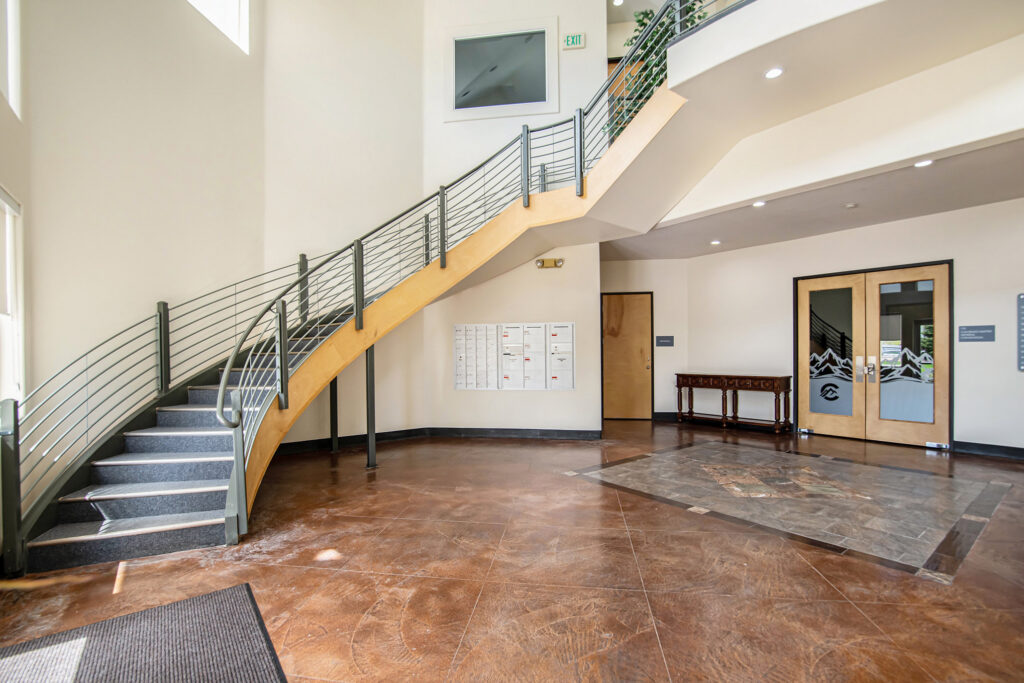
Shortlist viable spaces, tour with purpose, and compare each option against cost, layout, timing, and long-term business fit.

Negotiate the deal
Use market context and competing options to negotiate economics, concessions, flexibility, and risk allocation in the lease.