

Markets
Colorado markets, analyzed with business goals in mind.
Colorado commercial real estate markets each move on their own drivers. From Denver and Aurora to Parker, Castle Rock, Douglas County, the Front Range, and statewide Colorado, the CreVelo Group helps businesses evaluate where to buy, lease, invest, and grow with practical market insight and direct advice.
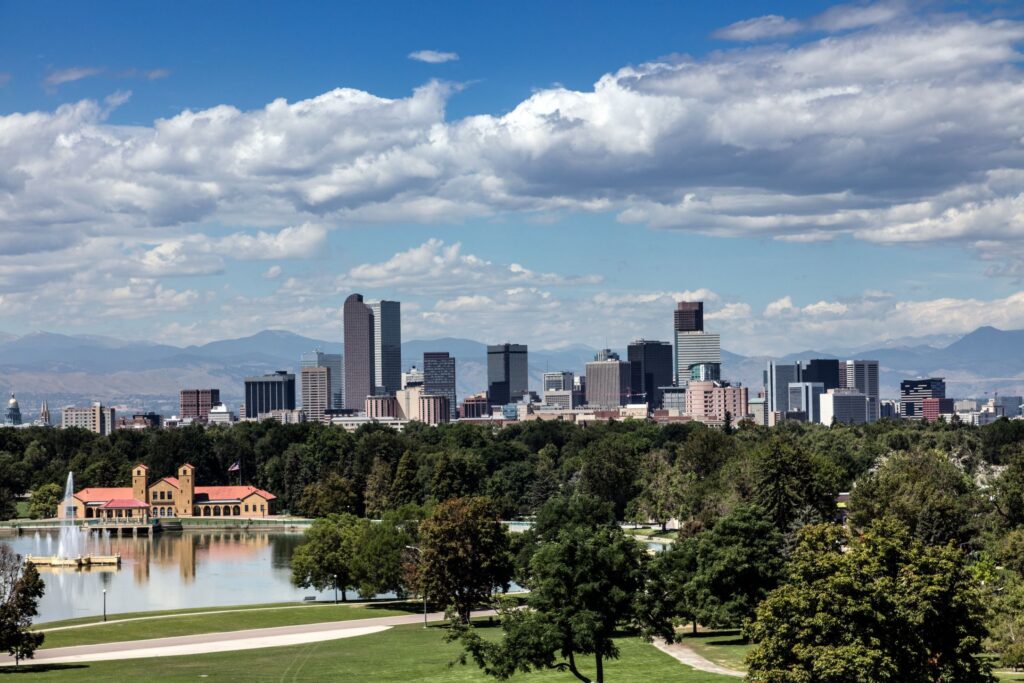
On this page
Colorado Commercial Real Estate Markets We Serve
Colorado commercial real estate markets along the Front Range share a highway, an economy and a lot of the same buyers and tenants, but each city moves on its own drivers. Our local guides cover the markets we work most:
- Denver: market intelligence, property for sale, and office, warehouse and retail leasing.
- South Metro: Castle Rock, Parker, Centennial, Lone Tree, Littleton, Englewood, Greenwood Village and the Denver Tech Center.
- Aurora: medical, industrial and retail near Anschutz, I-70 and the airport.
- Golden: a tight foothills market with strong demand.
- Boulder and Northern Colorado: tech, research and industrial from Boulder to Fort Collins.
- Colorado Springs: military, aerospace and fast-growing suburbs.
- Pueblo: industrial, land and value-oriented opportunities.
How We Compare Colorado Commercial Real Estate Markets
When a client is open to more than one city, we compare Colorado commercial real estate markets on the factors that drive the decision: where employees and customers live, access to highways and the airport, the supply of the right buildings, total occupancy cost, and the depth of buyers or tenants if plans change. We put those comparisons in writing so the choice is clear. For statewide economic data, the Colorado Office of Economic Development is a useful source.
Whatever market you are looking at, we start with your goals, show you real options and run the numbers on each one. If you are not sure which city fits, that is often the most valuable conversation to have first, and it costs you nothing but a little time. Tell us what your business or portfolio needs, and we will point you to the right part of the Front Range.
South Metro
South Metro Denver commercial real estate markets.
The south metro is where a lot of Front Range growth has landed: new rooftops, medical campuses, corporate offices and the owner-users who follow them. We work these submarkets every week, from the Denver Tech Center down I-25 to Castle Rock.
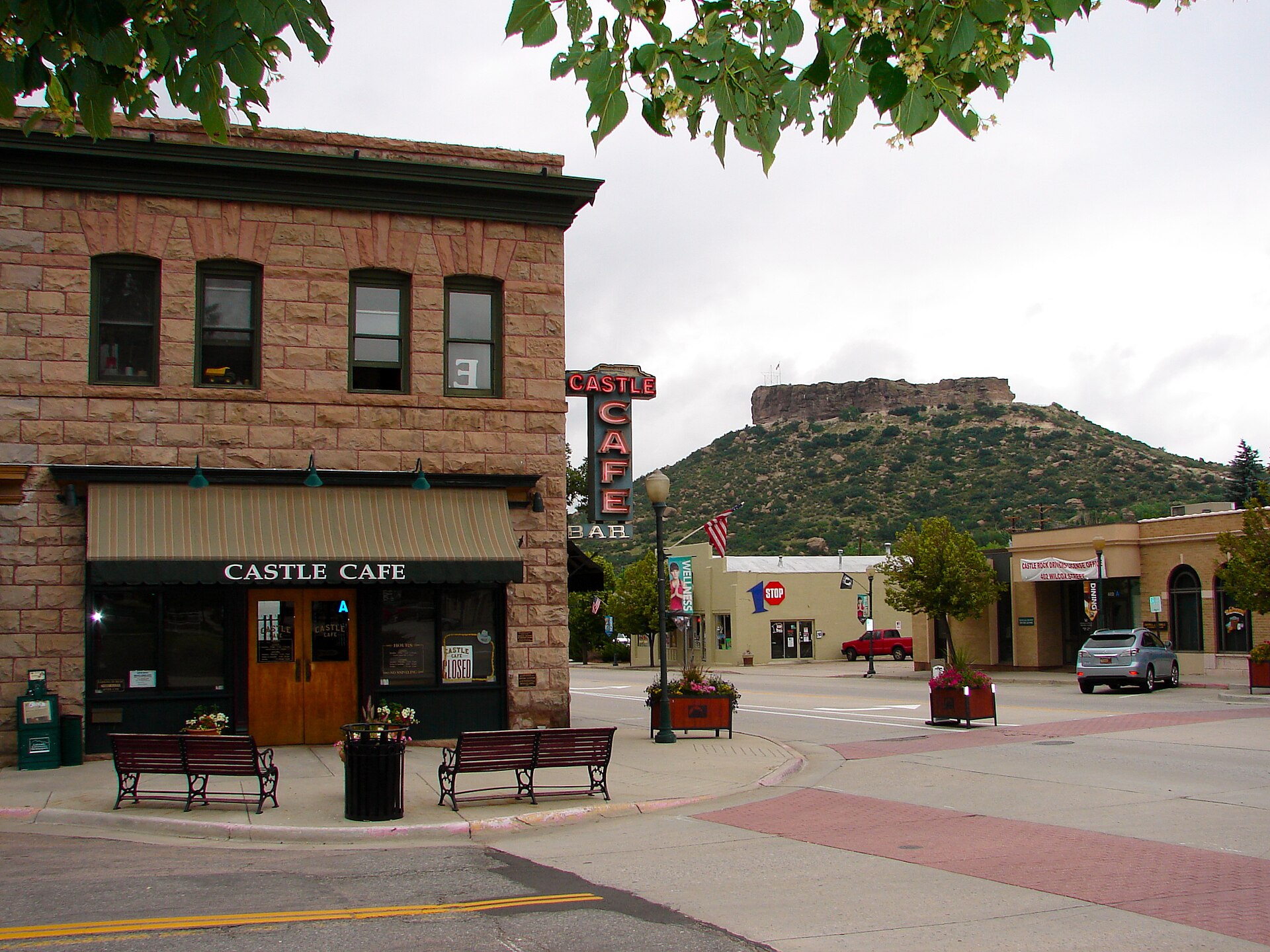
Castle Rock
The Douglas County seat, on I‑25 between Denver and Colorado Springs. Growth keeps pulling retail, medical office, flex and owner-user demand to the Founders Parkway, Meadows and downtown corridors.
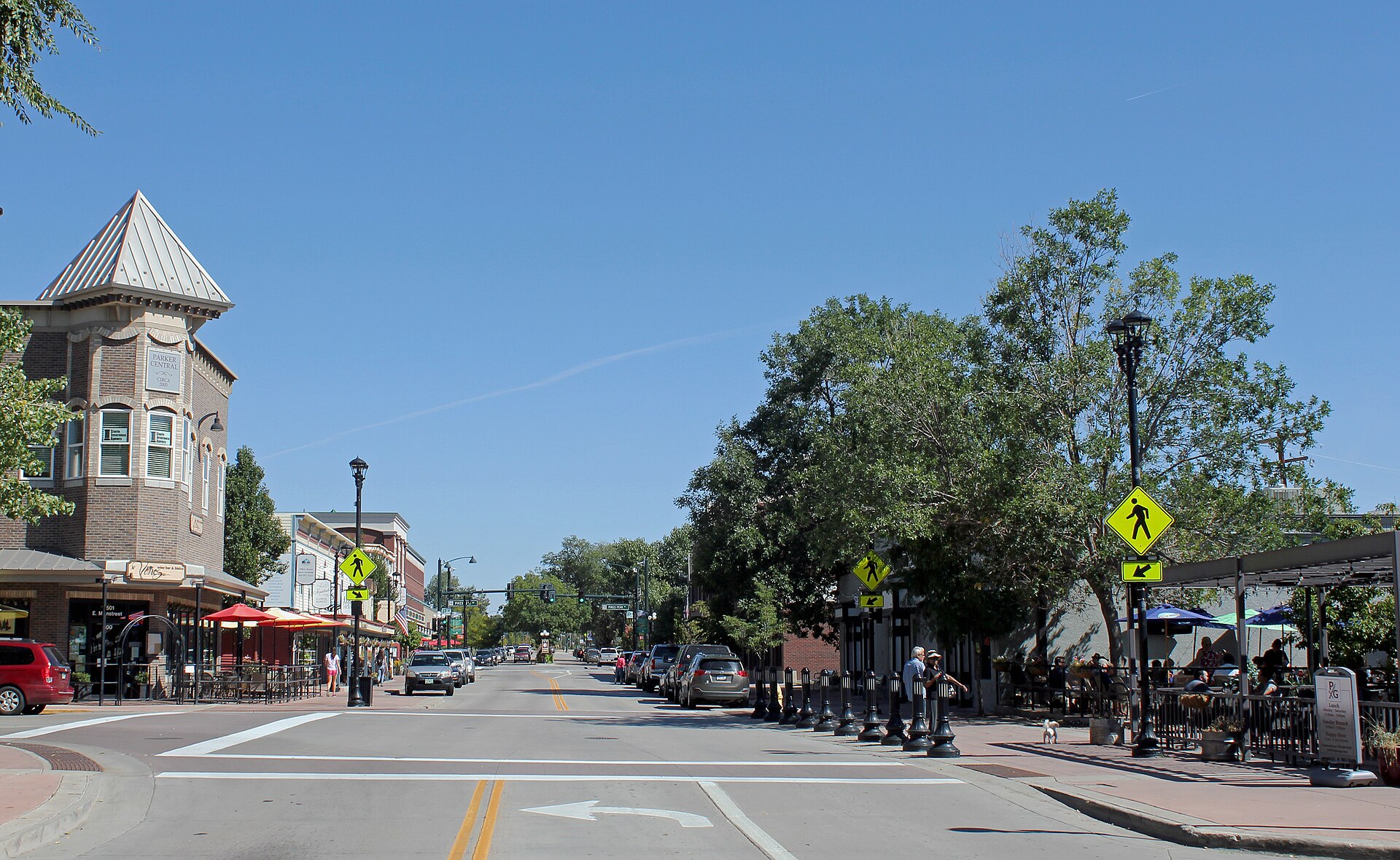
Parker
A fast-growing town on the Parker Road and E‑470 corridors. We see steady demand for medical and professional office condos, neighborhood retail and service space around Mainstreet and AdventHealth Parker.
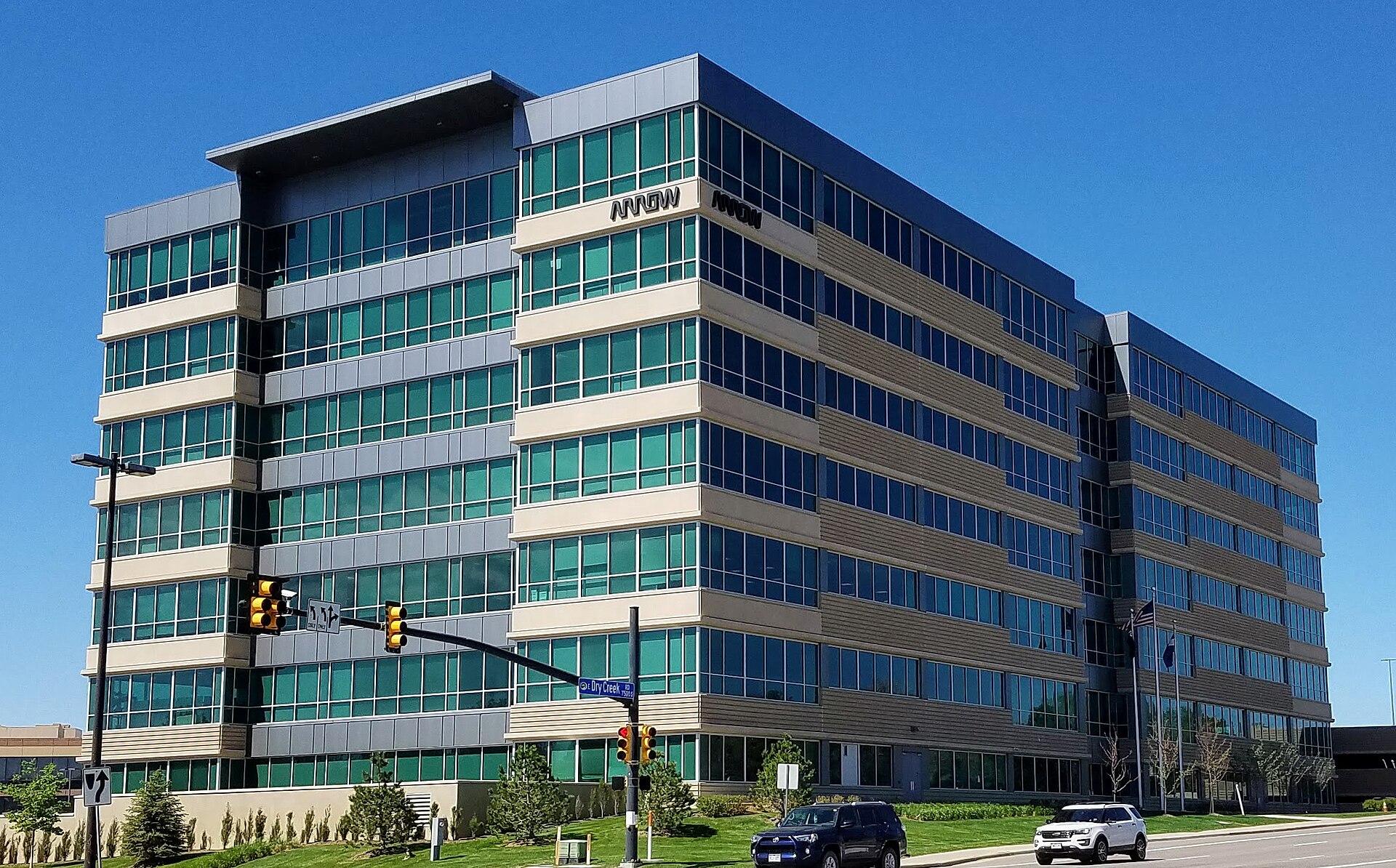
Centennial
Office and flex along I‑25 and Arapahoe Road, plus industrial and aviation-related space around Centennial Airport. A strong fit for owner-users who want south metro access without Denver occupancy costs.
Lone Tree
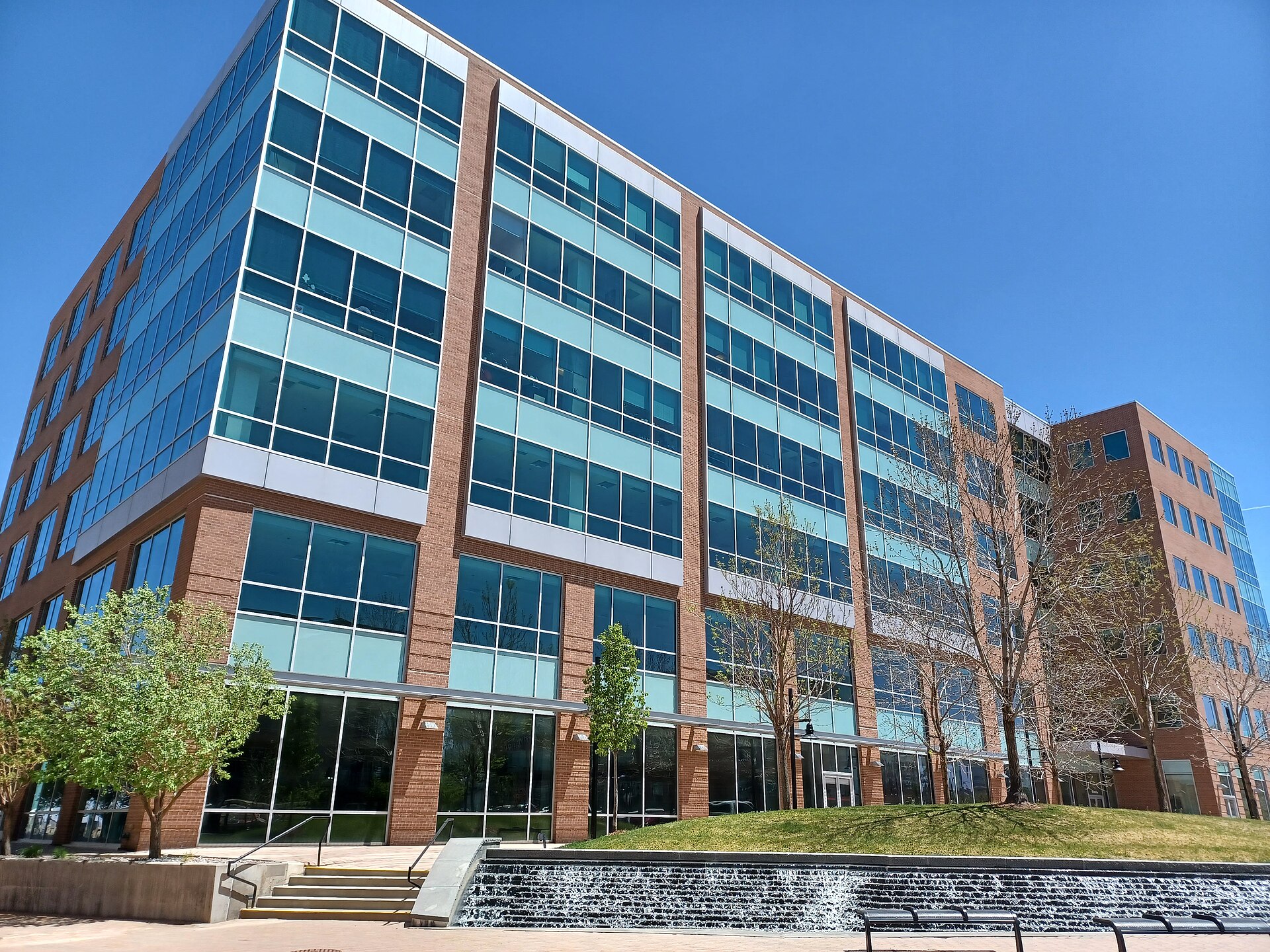
Park Meadows retail, Sky Ridge Medical Center and the RidgeGate office and mixed-use district at the end of the light rail line, all at the C‑470 and I‑25 interchange.
Littleton
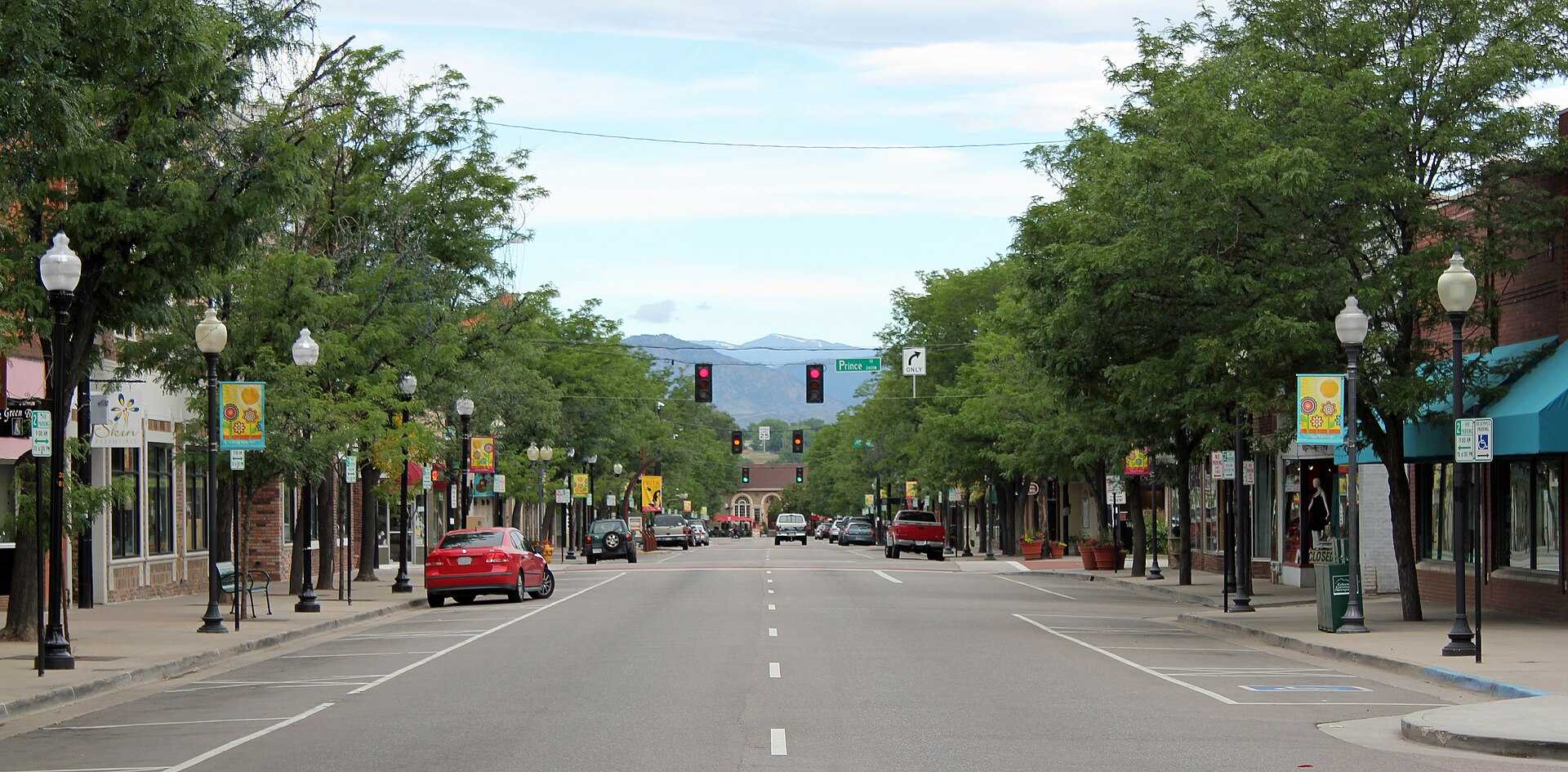
Historic downtown Main Street, light rail, and industrial and service space along the Santa Fe Drive (US‑85) corridor. Small-bay buildings and owner-user properties trade here regularly.
Englewood
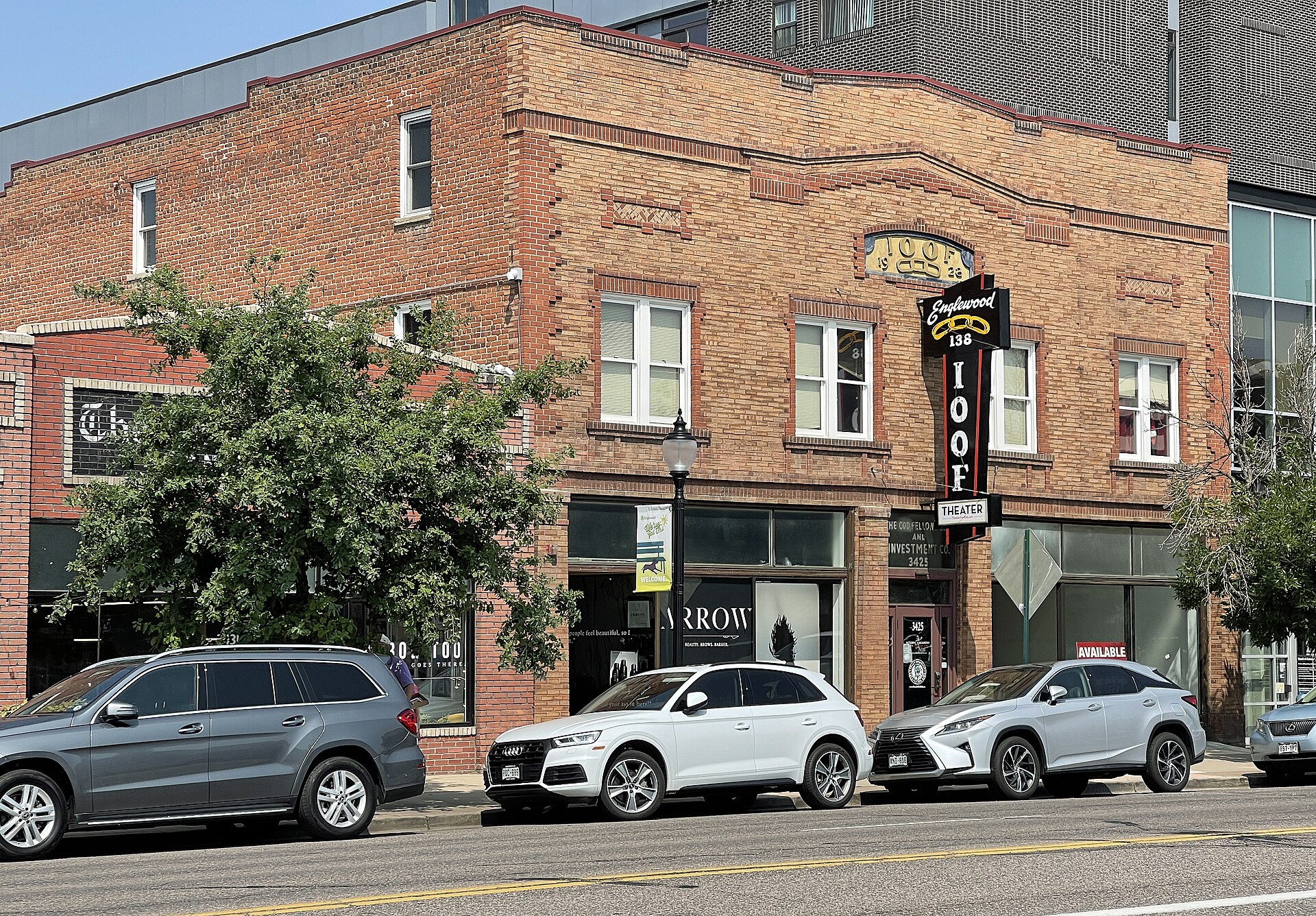
A close-in medical hub anchored by Swedish Medical Center and Craig Hospital, with retail along South Broadway, CityCenter Englewood on light rail and industrial along Santa Fe Drive.
Greenwood Village
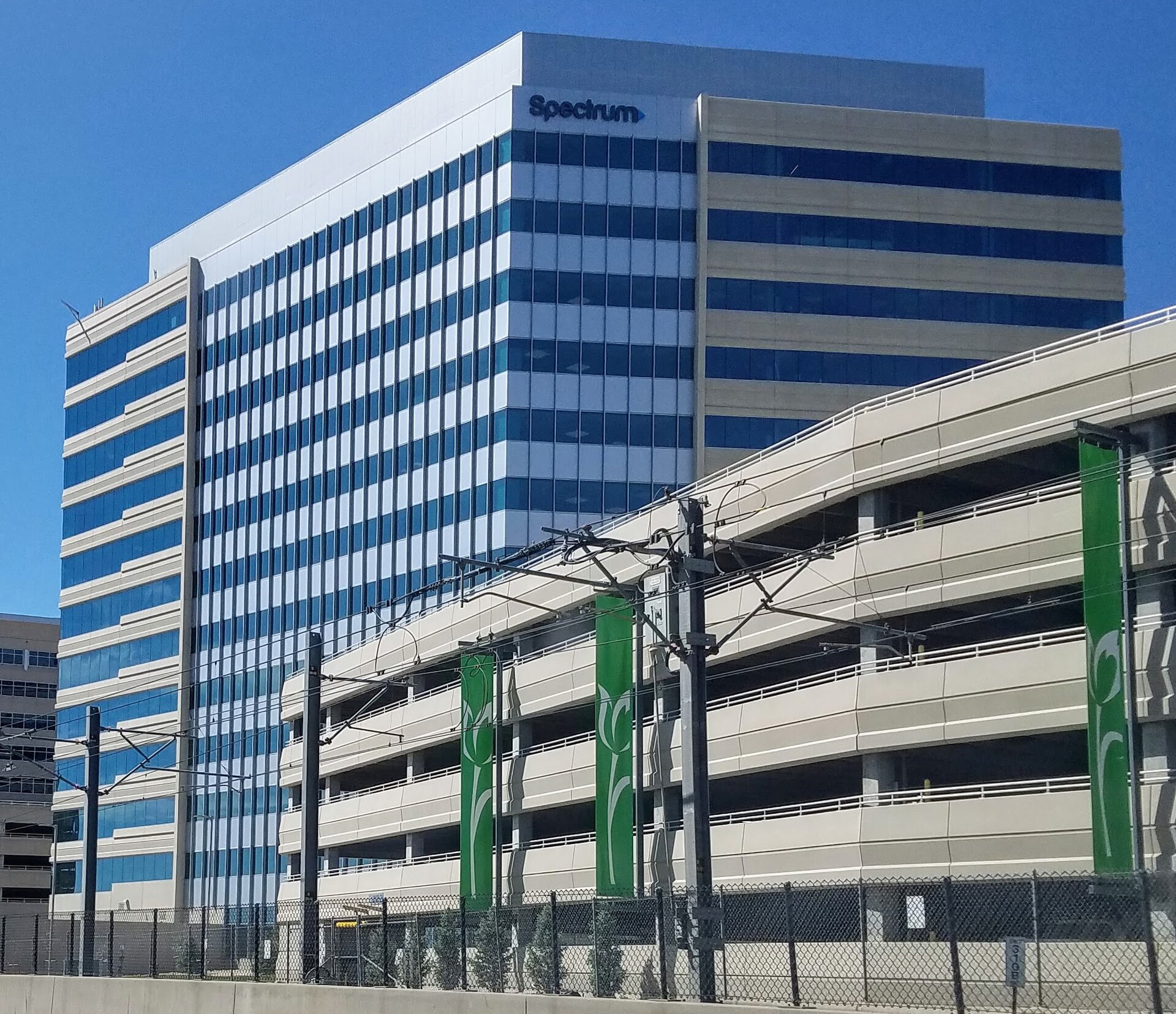
Home to much of the southeast suburban office market along I‑25 and I‑225, from Belleview to Arapahoe Road. Corporate tenants, sublease space and Class A buildings near light rail stations.
Denver Tech Center
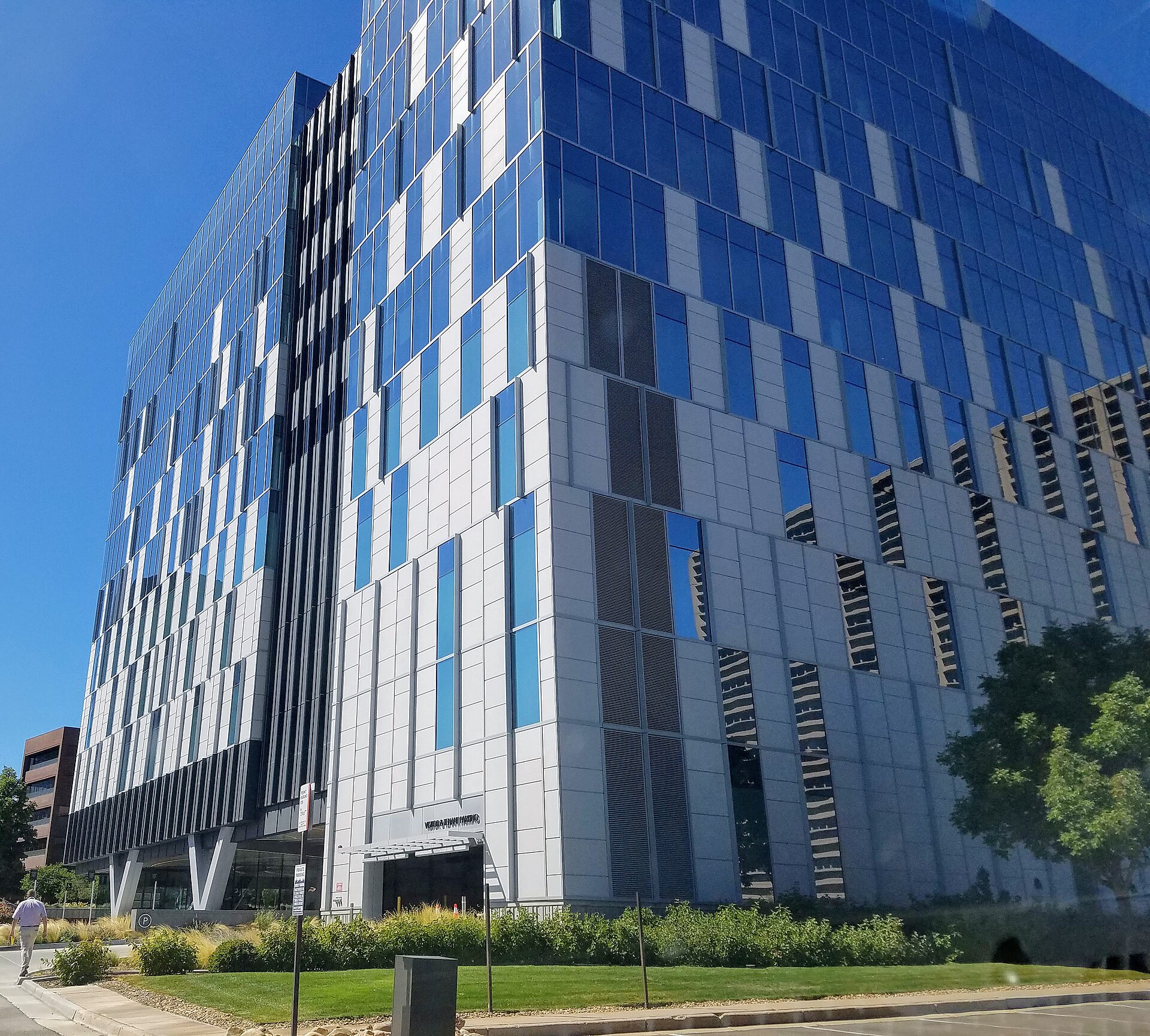
One of the largest suburban office concentrations in the Denver metro, spanning Greenwood Village, Centennial and Denver along I‑25. Today that means negotiating leverage for tenants and repositioning plays for buyers.
Photo credits, via Wikimedia Commons: Castle Rock: Smallbones, public domain; Parker: Jeffrey Beall, CC BY 3.0; Centennial: Xnatedawgx, CC BY-SA 4.0; Lone Tree: Xnatedawgx, CC BY-SA 4.0; Littleton: Jeffrey Beall, CC BY-SA 3.0; Englewood: Jeffrey Beall, CC BY 4.0; Greenwood Village: Xnatedawgx, CC BY-SA 4.0; Denver Tech Center: Xnatedawgx, CC BY-SA 4.0.
Coverage
Where Colorado Commercial Broker works.
Denver and Aurora
Support for occupiers and investors navigating urban infill, office, retail, industrial, and mixed-use opportunities across the metro core.
Parker, Castle Rock, and Douglas County
Guidance for businesses weighing growth, relocation, and ownership decisions in fast-moving suburban corridors with long-term upside.
Front Range and statewide Colorado
Representation for organizations comparing multiple Colorado markets, balancing labor, access, cost, and property strategy.
Market insight backed by real transaction experience.
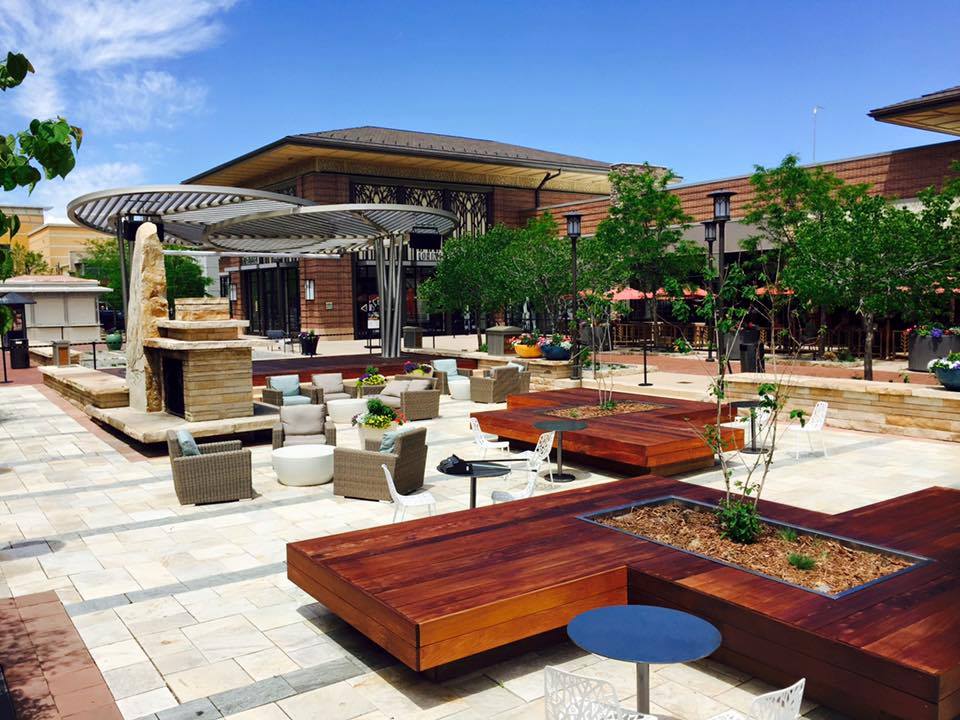
The CreVelo Group brings hands-on transaction experience to market selection, site evaluation, lease strategy, and acquisition planning. The focus is simple: understand the market, pressure-test the numbers, and help clients make decisions that fit the business rather than the moment.
What matters
How market decisions get evaluated.
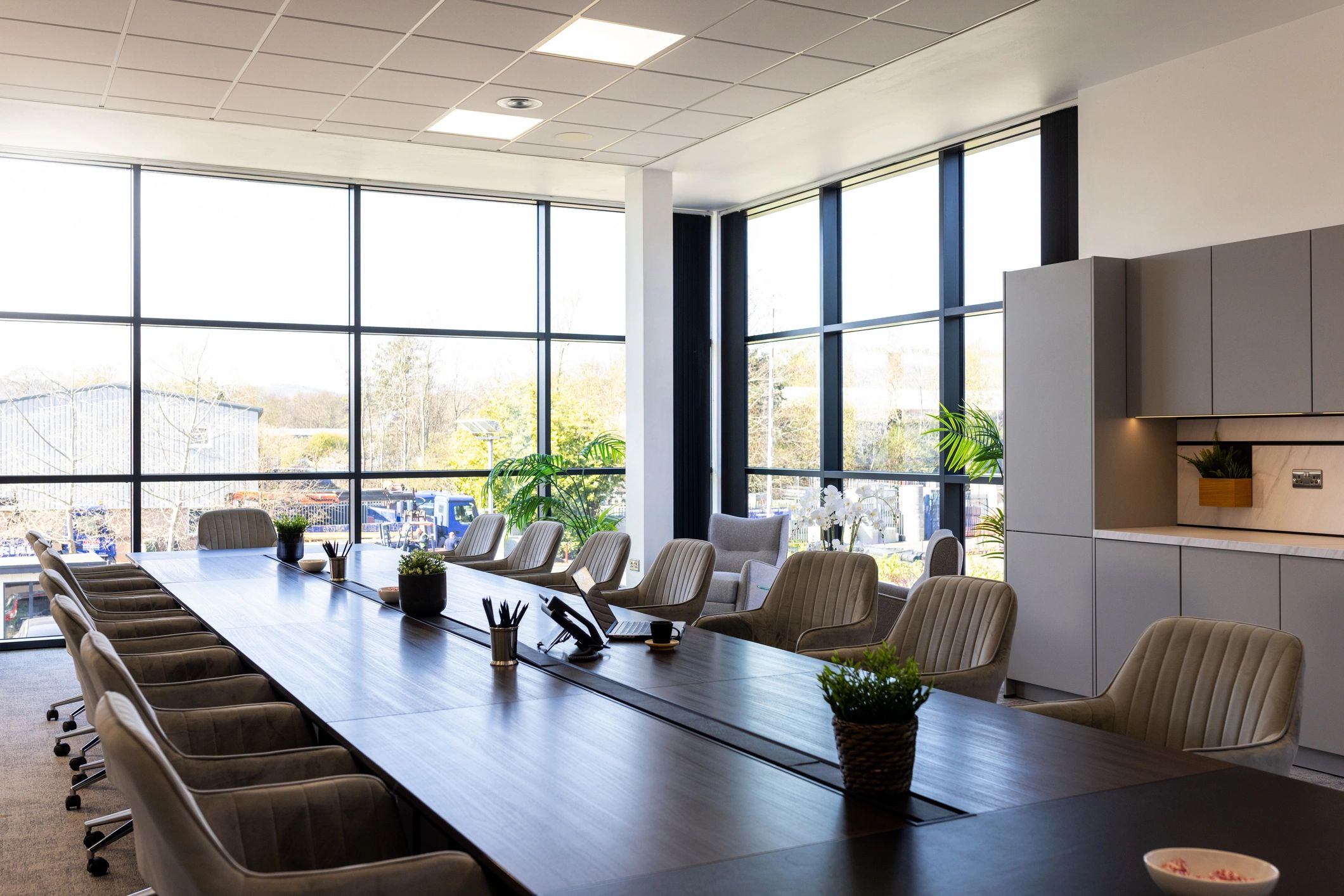
Every market recommendation should connect back to occupancy cost, customer access, labor availability, logistics, competition, and exit flexibility. This page reflects the factors Colorado businesses typically need to weigh before committing to a location or asset.
Demand and positioning
Assess whether a market supports your customer base, operating model, and long-term business plan.
Supply and competition
Review inventory, competing properties, concessions, and leverage before entering negotiations.
Cost and occupancy risk
Compare rent, purchase pricing, operating expenses, tenant improvements, and capital exposure.
Access and growth
Measure workforce access, transportation, visibility, and expansion potential across target submarkets.